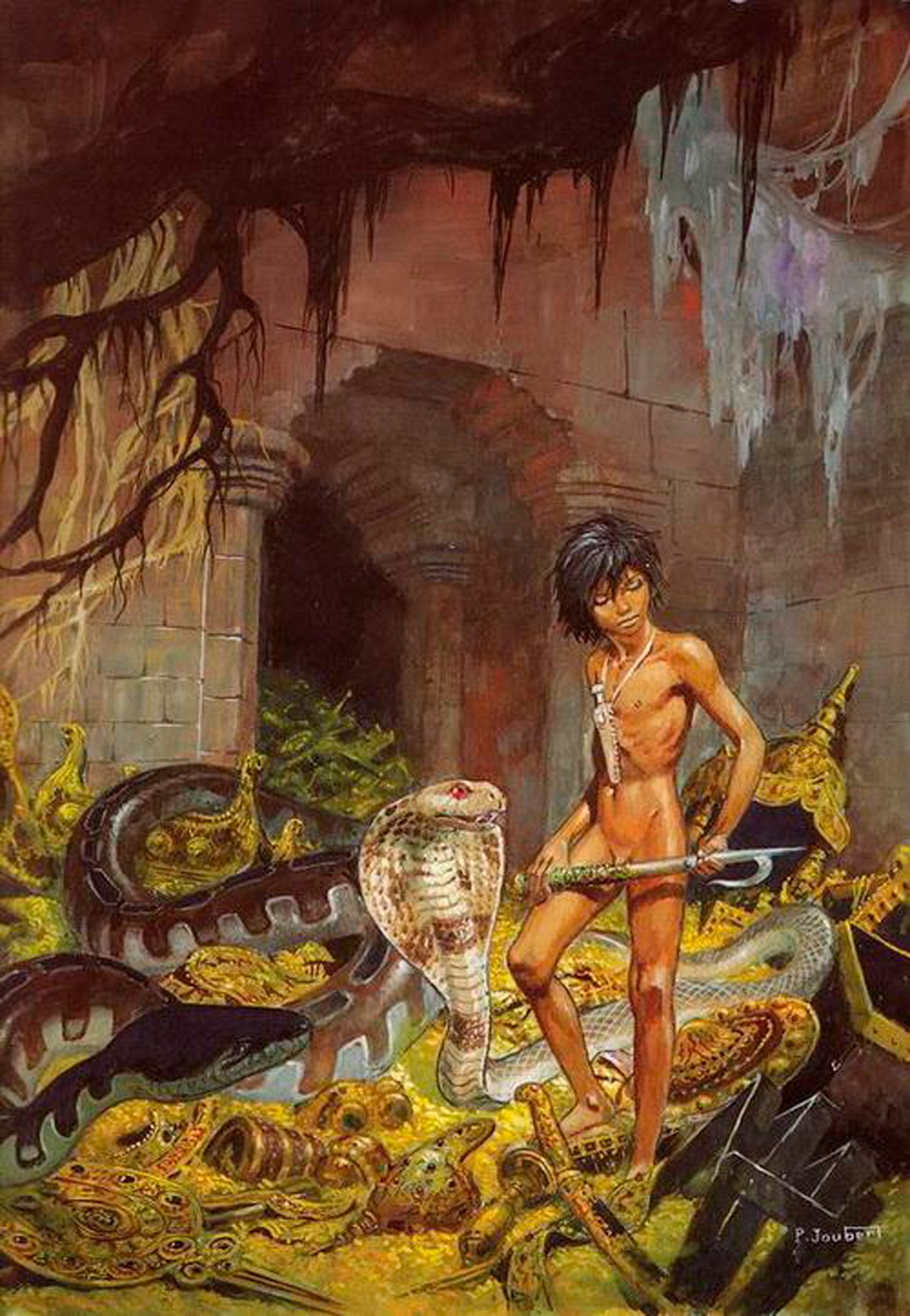
To call Ages of Aenya a book about nudism is like calling The Lord of the Rings a book about not wearing shoes.
Yes, I have called Ages of Aenya, the first book in the Aenya Saga, a naturist fantasy adventure, and I have even read it in the nude. But this should matter no more than Peter Jackson running around barefoot on the set of The Lord of the Rings. A lot of nudists I know write with the express intention of promoting their lifestyle, and I take no issue with that. But I draw on my experiences within the movement and elsewhere to lend a unique voice and a level of authenticity to the fantasy/Sci-Fi genre and the characters who inhabit my world. Everything I have ever written is in service to the story. Nudists sell themselves short when nudism becomes their entire personality, and in fact, I believe we harm the movement when we allow any single characteristic to define us.
This is why I was so incensed to come across this comment in Planet Nude:

Seeing my book mentioned here came as an enormous shock to me, because these are all arguments I’ve made myself. That’s not to say a genuine nudist story promoting nudist values can’t have merit (I own copies of Loxie and Zoot and Act Naturally), but when a book exists solely to preach to the reader, it fails as fiction.
Ages of Aenya (originally The Dark Age of Enya) was based on a He-Man fanfiction I wrote back in the mid ’90’s, and in the original draft, Xandr, like Conan, donned the traditional barbarian loincloth, as did his female companion, Thelana. You can see evidence of this in some of the artwork I had commissioned, as well as fan-made action figures of Xandr.
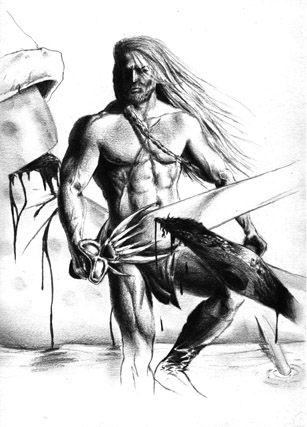
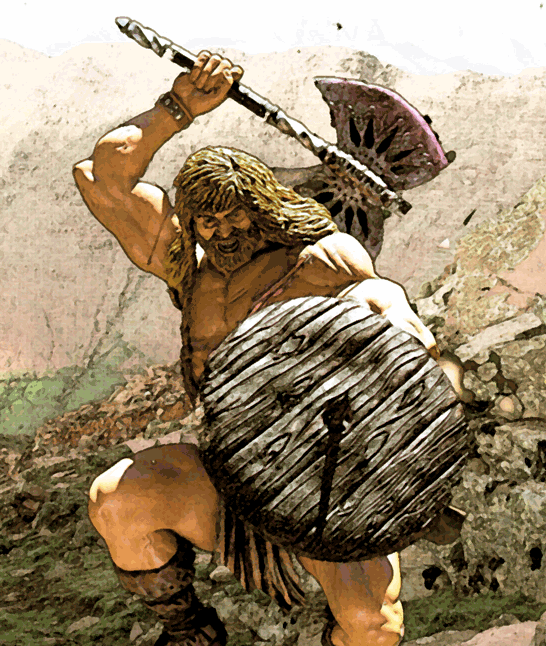
The commenter argues that nudist authors lack imagination, and that all of their stories take place in nudist resorts, which may or may not be the case, but I am NOT a “nudist author”; I am an author who also happens to be a nudist. I even said as much in my interview with Stéphane Deschênes. This is an important distinction, and is really not so different from that of any other artist with religious, atheist, or political leanings. T.J. Klune is a gay man writing from a gay perspective, but that doesn’t make him a “gay author,” nor would I accuse his novels of being unimaginative, thinly veiled arguments for LGBTQ+ causes. The same goes for Mormon author Brandon Sanderson’s Cosmere series. Every writer worth his weight in ink draws from his or her own experiences and beliefs.
The confusion, I think, lies in a small change I made to my story: a defining trait I gave to the primitive people in my book, a people I call the Ilmar. The Ilmar know nothing of violence, greed, or body shame. They go naked in the same way certain Amazon tribes like the Zo’é go naked, but this has more to do with exploring native cultures and less to do with modern taboos and beauty standards. Born of this culture were Xandr and Thelana, who wander the lands of Aenya nude and go into battle nude. Admittedly, I was inspired by my nudist/naturist worldview, my Greek heritage, and Frank Frazetta’s fantasy illustrations when I created my heroes, as countless other authors are similarly influenced by their respective philosophies. That said, the nudity in the novel was an afterthought and is only incidental to the plot. It would be relatively easy to turn my characters textile, and almost nothing in the story would change. At most, it would shorten the length by a few thousand words, down from 170k words. This isn’t possible with Loxie and Zoot, Act Naturally, or any “nudist book” I’ve read. And the Ilmar are just one group among many diverse races and civilizations known to Aenya. Others include avians, merquid, halfmen, Septhera, Hedonians, Delians, Tyrnaeleans, Kratans, and Shemír. Aenya is as diverse a world as Middle-earth, with so much history and lore, that to call Ages of Aenya a book about nudism is like calling The Lord of the Rings a book about not wearing shoes.
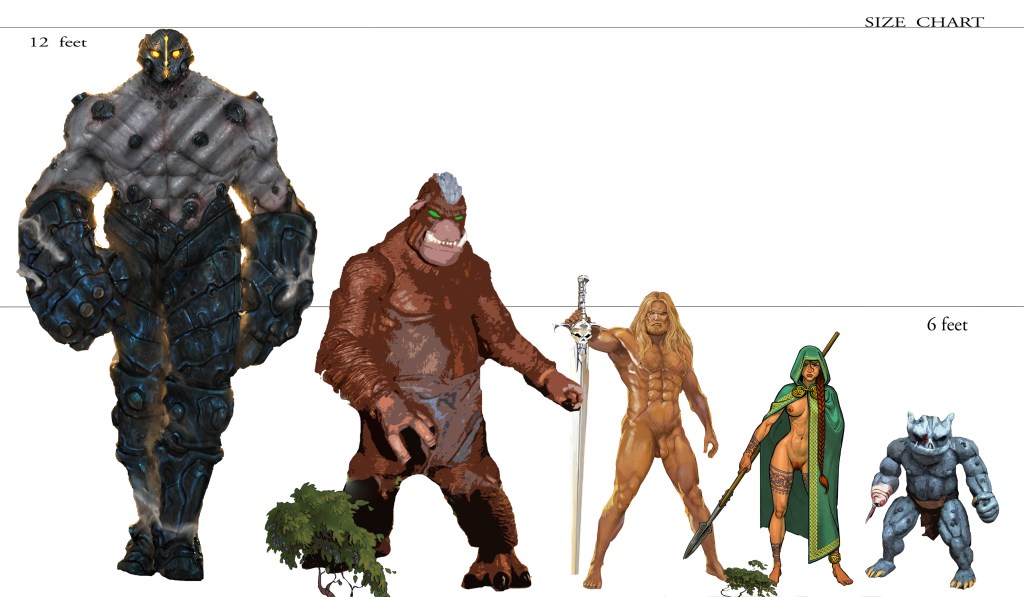
Ages of Aenya focuses mostly on environmentalism, racism, and humanism. The novel is divided into three parts: City by the Sea, The Serpent’s Eye, and Flesh and Steel. Inspired by H.P. Lovecraft’s short story The Doom that Came to Sarnath, City by the Sea was the impetus for the novel. In both Lovecraft’s version and my own, the aquatic merquid race invades the human city of Hedonia. As the streets of Hedonia are flooded and its people are massacred, Xandr and Thelana doff their attire to defend the city in a moment inspired by Beowulf and Ancient Greek myth. But to suggest this makes my story an unimaginative nudist diatribe is simply nonsensical. You might as well include Jungle Book, Tarzan of the Apes, A Princess of Mars, and Planet of the Apes in that list of ‘nudist media.’
The third part of Ages of Aenya, Flesh and Steel, deals with the return of HORDE, a golem from space, who houses the minds of an ancient, advanced civilization known as the Zo. In an attempt to increase biodiversity, HORDE plans to wreak havoc on the planet, and it’s up to the Ilmar to stop him.

At the heart of Flesh and Steel is Emma, a young girl sequestered in her home by her abusive father, who spends most of her days talking to herself and the ravens who make their nests at her windowsill. Xandr and Thelana eventually make an appearance, rescuing Emma from slavery, but THEY WEAR CLOTHES in the frigid Pewter Mountains. Does Flesh and Steel promote a naturist message? Possibly—if that message is that it’s preferable to live and die as a flesh-and-blood human being than as an immortal, unfeeling cyborg. Put succinctly, the central theme warns against hubris and unrestrained technology, a warning that is becoming increasingly relevant in this current age of AI. As I clearly state at the start of the novel:
Knowledge not tempered by wisdom sows destruction.
If Ages of Aenya is about any one thing, it’s this. I can only assume Mr. Critic Guy never bothered to read my book, that he must have made certain assumptions based on other naturist media he’d read, and I, being foolish enough to try and promote my book to other nudists, am now stuck with the label. Ages of Aenya is far from flawless, and I have learned quite a bit since writing it. If I had to do it over again, I’d certainly pull back on the heavy-handedness of the themes. But calling it a shallow argument for nudism is demonstrably untrue. (Hell, I am tempted at this point to remove the nudity just to prove a point, but I won’t.) Still, preconceptions are a hard thing to shake these days, which is why I followed Ages of Aenya with The Princess of Aenya, which doesn’t feature any nudist characters AT ALL, and why I’ll likely never go back to the Ilmar, much as I love my naked peeps, because the algorithm ruins everything.


Nakedness has been common throughout the ages. In novels like this one we get to see just how common it was throughout history. The American Indians didn’t wear clothes when it was hot on the prairie. Love your posts!!
LikeLiked by 1 person