“Nudism and baseball!?”
Is there now a baseball league for nudists? Players sliding into third on their bare butts? Outfielders waiting for a fly ball with their little bats flapping in the wind? No, unfortunately not. Or maybe, thankfully not, because nudism and baseball go together like nudity and cross-country skiing. Sorry, I didn’t mean for this post to come off as clickbait, but nudism and baseball having nothing to do with each other is exactly the point, and a useful metaphor for explaining what nudism is and isn’t.
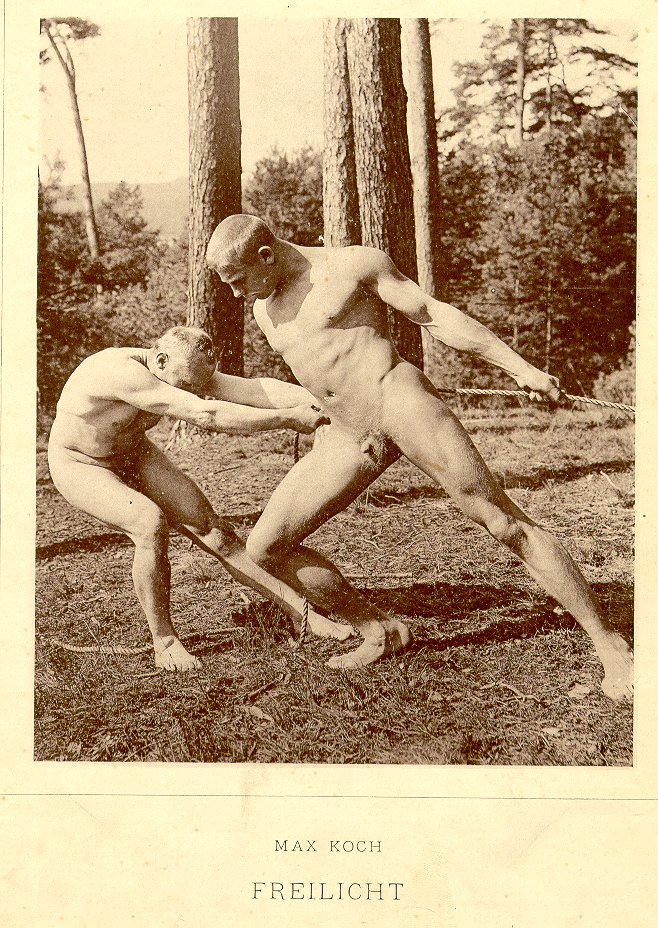
I should probably mention that this article is in response to a piece I read in Planet Nude titled “Original Sin,” by Timothy Sargent. While I commend Sargent for his thoughtful and well-researched analysis of the nudist movement (I honestly don’t think I could have written it any better), I take issue with his basic premise. Sargent expresses his disillusionment with nudism as a whole, lamenting the historically conservative position many of us have taken. For over a hundred years, since the early days of Freikörperkultur (FKK), Germany’s Free Body Culture, nudists have challenged the assumption that exposing our bodies to the public eye is obscene, tantamount to pornography, or erotica, and that the only reasons for doing so are to satisfy some voyeuristic or exhibitionist urge.
Despite a decades-long campaign to provide the mainstream media with alternative reasons for wanting to live clothes-free, the belief that nudity = sex refuses to die. But in our efforts to divorce nudity from sex, Sargent argues, many of us have become prudes, alienating ourselves from the rest of the world and a more liberal mindset that has long since embraced expressions of sexuality and even, to a major extent, adult film production as a valid career choice. Sargent goes on to say how, historically speaking, conservative attitudes among nudists have held the movement back, leading to a lack of acceptance of different racial groups between the ’60s and ’80s and the LGBTQ+ community today.
I have heard these arguments many times before, and I will admit, there is a modicum of truth to them. The free-spirited hippies who attended Woodstock are currently in their seventies and eighties, and many of them, whom I meet at Lake Como and Cypress Cove, fly Trump flags from the backs of their mobile homes. Naked or textile, retirement communities are reluctant to adopt change, but this has more to do with older people who tend to lean right politically (in my 50s, I seem to be going more and more left, but I’m weird like that). In my idealistic college days, when I first started visiting Paradise Lakes, I was convinced that nudism could solve many of society’s ills. Without clothing to signify social status, we are more able to recognize our shared humanity, how we are all human beings with the same basic anatomy. When the first European explorers in their stuffy, Victorian garments stumbled upon African and South American natives, many of whom went about naked, it was easier for the Europeans to label them as subhuman. After all, it was reasoned, if animals didn’t wear clothes and black people didn’t wear clothes, weren’t they essentially the same? How differently would, say, the Ancient Greeks have treated the naked tribes of the Amazon, given the Greeks’ fondness for clothes-free living? This was my thinking at the time, and I still believe there is some truth to it, but my idealism was quickly shot down after doing a bit of research into the history of nudism in America and the way black people were turned away from clothing-optional venues. As a black nudist friend told me, “Nudists are racist because people are racist.” Clearly, getting naked won’t make you a better person.
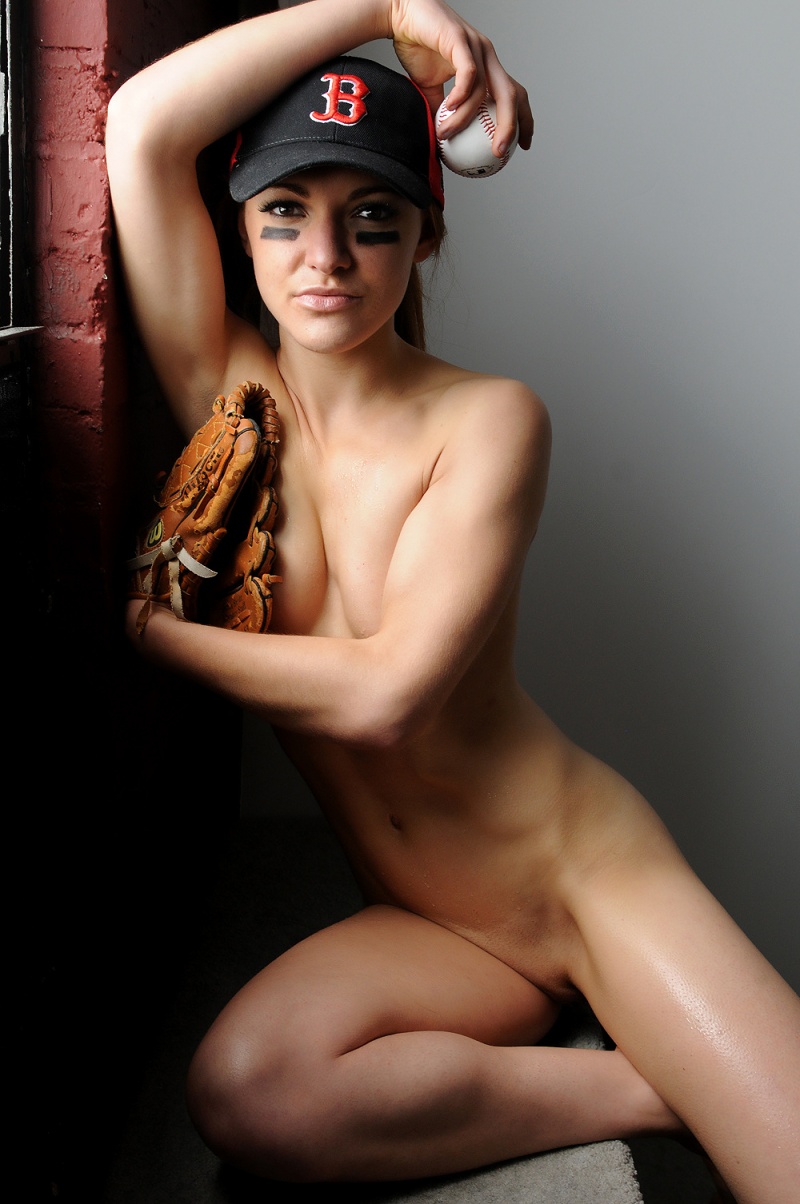
I also agree with Sargent in that nudists tend to be prudes. We have been afraid of being called perverts for so long that we often reject, at least in an official capacity, the role the body plays in stimulating arousal. Nudists claim that “all bodies are beautiful,” but this only serves to divorce the word “beauty” from its original meaning, and makes us seem delusional to the textile world, which clearly sees a difference between Brad Pitt and Joe Pesci. Some of you reading this might even object to the model I used for the cover of this post, due to her traditional beauty (nudists insist I include this modifier) and rather sexy pose. But I chose her specifically because she is wearing a baseball cap and glove (and nothing else), and because we should not shy away from celebrating the beauty of the human body, whether that celebration takes the form of a studio photoshoot or paint on canvas. In the same vein, we can accept people of all shapes and sizes. Freedom from clothing should be afforded to everyone, just as we allow anyone to go out in a bathing suit or wear skimpy outfits at comic conventions. Nudism helps us to appreciate a wider range of body types than the one percent represented by beauty pageants and Playboy in the seventies and eighties. But it does the movement no good to pretend we are blind to differences in age and weight, or that we are not sexually stimulated more by certain bodies than others, or naked bodies in general.
Where I part ways with Sargent is with the meaning of nudism itself, because after living the naked life for three decades, I have concluded that nudism is, in all reality, no more a philosophy than choosing to wear shorts instead of pants. It is a term we use only so far as the textile world deems genitals offensive, and because we live in a world where public exposure can get you fined, jailed, or worse, placed on the Sex Offender Register List. Nudism is little more than the rejection of shame, the age-old taboo of public nakedness, and outdated definitions of decency. We deny the assumption that, without clothes to curb our animal instincts, women are more prone to getting raped, and children molested, and that we’ll be having orgies in the streets. Nudism holds humanity to a higher standard, not merely aspiring to loftier goals than the censors of social media would have us adhere to, but proving it for nearly a century. The young women I met in France were comfortable enough in just their skin to traipse around the vast wooded property of La Jenny Naturiste Village without fear of assault. At least here, the social benefits of nudism are undeniable. In a world without body taboos, women are free to wear what they want, whether a burqa, ass-hugging short shorts, or nothing at all, without having to worry about being blamed for assault, the way they are in certain Muslim countries. But at its core, nudism is no more feminist than it is sexist, because it is not a position we are taking, but one we are rejecting. We reject the need for clothes the way atheists reject the need for God, which is why I have long maintained that the goal of nudism is to end nudism. We don’t have a word for people who don’t wear hats, and we shouldn’t need a word for people who don’t wear clothes.
So what does nudism have to do with baseball? Absolutely nothing. In the same way, you might also ask, “What does nudism/baseball have to do with sex?” or, what is nudism’s/baseball’s position on the LGBTQ+ community? Is nudism/baseball conservative or liberal leaning? We might point out that in the early days of baseball, Jackie Robinson struggled to find acceptance in the National League, but that was due to people’s prejudices and has nothing to do with the rules of the game. If the AANR (The American Association for Nude Recreation) frowns upon their affiliated clubs turning into swinger hangouts, it is not because nudism is anti-sex, but rather, because you would not wish to vacation with your family at any resort advertising itself as a place for group sex. That being said, nudists can be Christian, MAGA, swingers, LGBTQ+, and even porn stars. Sargent’s problem is not with nudism per se, but with the people gatekeeping the movement.

 Being and Nakedness
I am a maga Christian nudist! I didn’t know there could be such a thing until I started reading articles on what AANR is about! No orgies just nakedness in its purest form! Just like Adam & Eve! Like God ment it to be! Like I said I love being naked as much as possible even right now! Love your posts and your responses!
LikeLike